


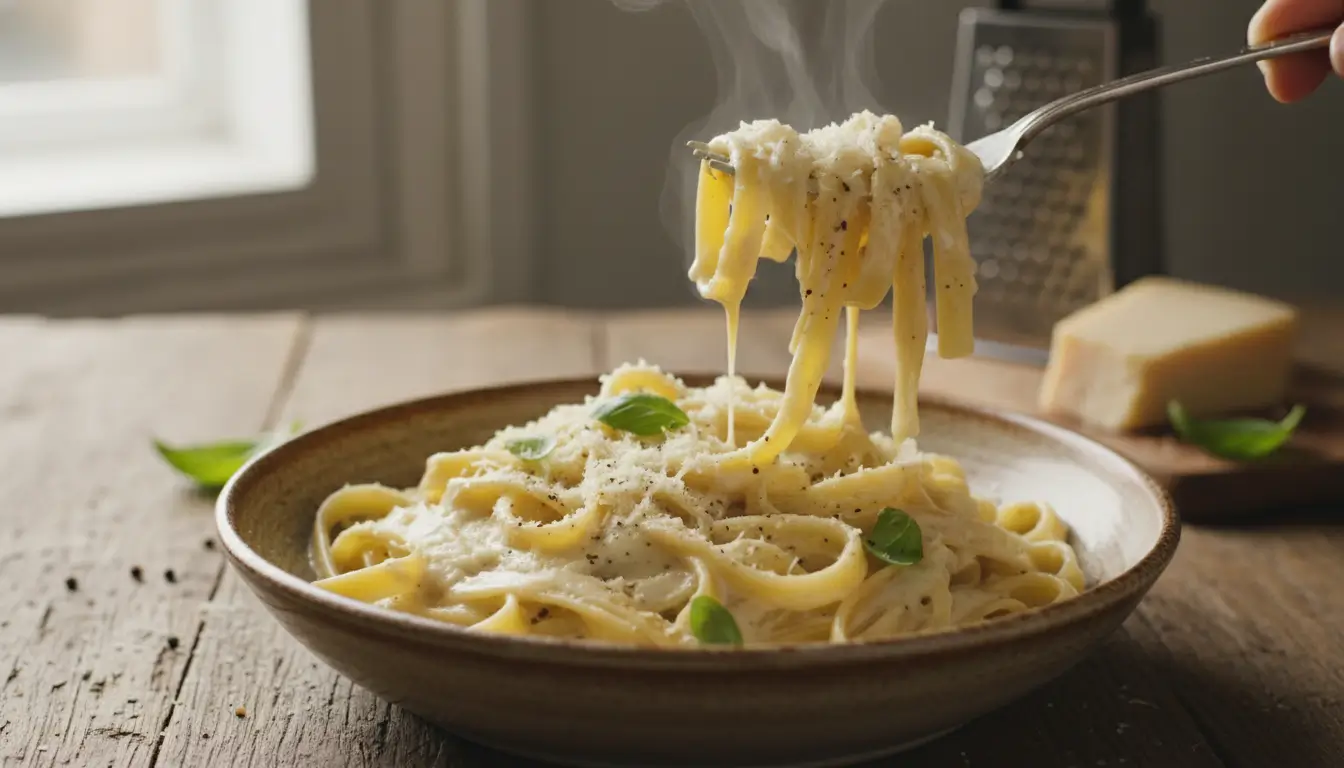
If you’ve been looking for how to make white pasta sauce recipe that’s creamy, silky, and restaurant-quality, you’re about to master the easiest sauce in your repertoire.
White pasta sauce is one of those magical recipes that transforms simple ingredients — butter, garlic, cream, and Parmesan — into a luxurious coating that clings to every strand of pasta. It’s the foundation for countless dinner possibilities, from classic fettuccine Alfredo to chicken and mushroom pasta, shrimp scampi, or simple garlic Parmesan noodles.
Unlike jarred sauces loaded with preservatives and artificial thickeners, homemade white pasta sauce takes just 15 minutes and uses ingredients you probably already have in your kitchen. The result? A velvety, garlicky sauce that tastes like you ordered takeout from an Italian restaurant, but costs a fraction of the price.
The best part about learning how to make white pasta sauce recipe is its versatility. Use it as-is for a quick weeknight dinner, or build on it with proteins, vegetables, or different cheeses. Once you master this base, you’ll never buy jarred Alfredo sauce again.
Ready to make the creamiest, most flavorful white pasta sauce in under 20 minutes? Let’s get cooking.
Table of Contents
Why You’ll Love This White Pasta Sauce Recipe
This isn’t just another pasta sauce — it’s the only creamy base recipe you’ll ever need.
Ready in 15 minutes. Faster than ordering delivery and infinitely more delicious.
Only 6 basic ingredients. Butter, garlic, cream, Parmesan, and seasonings create magic.
Versatile foundation. Use it plain or customize with proteins, vegetables, or different cheeses.
Restaurant-quality at home. Silky, rich, and coating every bite perfectly.
No artificial ingredients. Real cream, real butter, real Parmesan — nothing you can’t pronounce.
Budget-friendly. Costs less than $5 to make enough sauce for 4-6 servings.
Endlessly customizable. Add chicken, shrimp, bacon, mushrooms, or keep it simple and vegetarian.
This how to make white pasta sauce recipe proves that the best Italian cooking is simple, fresh, and made from quality ingredients.
White Sauce vs. Alfredo vs. Béchamel: What’s the Difference?
Before we dive into the recipe, let’s clear up the confusion about white pasta sauces.
White Pasta Sauce (This Recipe) is a creamy, garlic-forward sauce made with butter, heavy cream, garlic, and Parmesan cheese. It’s thickened naturally by reducing the cream and adding pasta water. This is the easiest, quickest version perfect for weeknight dinners.
Authentic Alfredo Sauce (Italian) uses only butter, Parmesan cheese, and pasta water — no cream, no flour. The starch from pasta water emulsifies with butter and cheese to create a light, silky sauce. This is the traditional Roman version, though American versions often add cream.
Authentic Alfredo Sauce (Italian) uses only butter, Parmesan cheese, and pasta water — no cream, no flour. The starch from pasta water emulsifies with butter and cheese to create a light, silky sauce. This is the traditional Roman version, though American versions often add cream. For a deep dive into the authentic Italian technique and the history of Alfredo sauce, Serious Eats’ guide to real Alfredo sauce explains the traditional method and common misconceptions.
Béchamel (White Sauce) is a French “mother sauce” made with butter, flour, and milk. It uses a roux (flour and butter cooked together) as a thickener. Béchamel is often used as a base for lasagna, mac and cheese, or other baked dishes rather than served directly on pasta.
This recipe gives you the best of all worlds — the richness of cream-based Alfredo with the garlic punch of modern Italian-American white sauce, without the complexity of making a roux. It’s approachable, foolproof, and incredibly delicious.
How to Make White Pasta Sauce Recipe – Creamy Garlic Parmesan
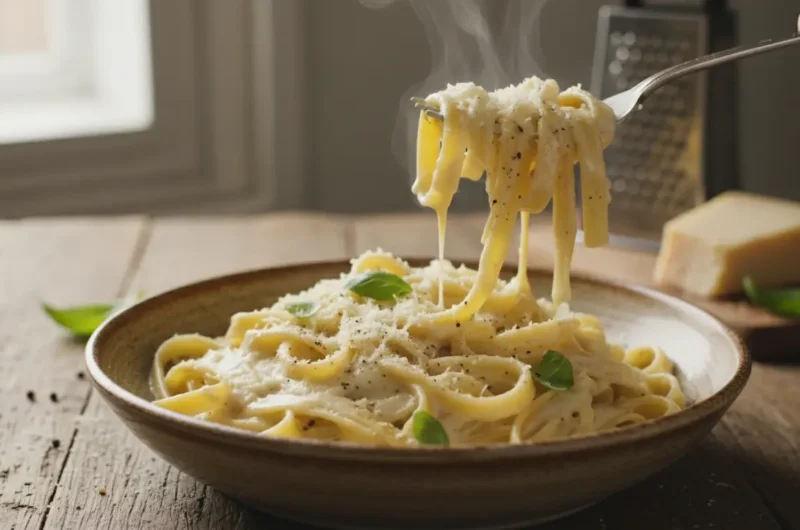
How to Make White Pasta Sauce Recipe – Easy Creamy Base
Course: DinnerCuisine: Italian, AmericanDifficulty: Easy4
servings5
minutes10
minutes220
kcal15
minutesThis easy white pasta sauce recipe creates a silky, creamy garlic Parmesan sauce that coats pasta perfectly. Ready in 15 minutes with just 6 ingredients.
Ingredients
For the White Pasta Sauce:
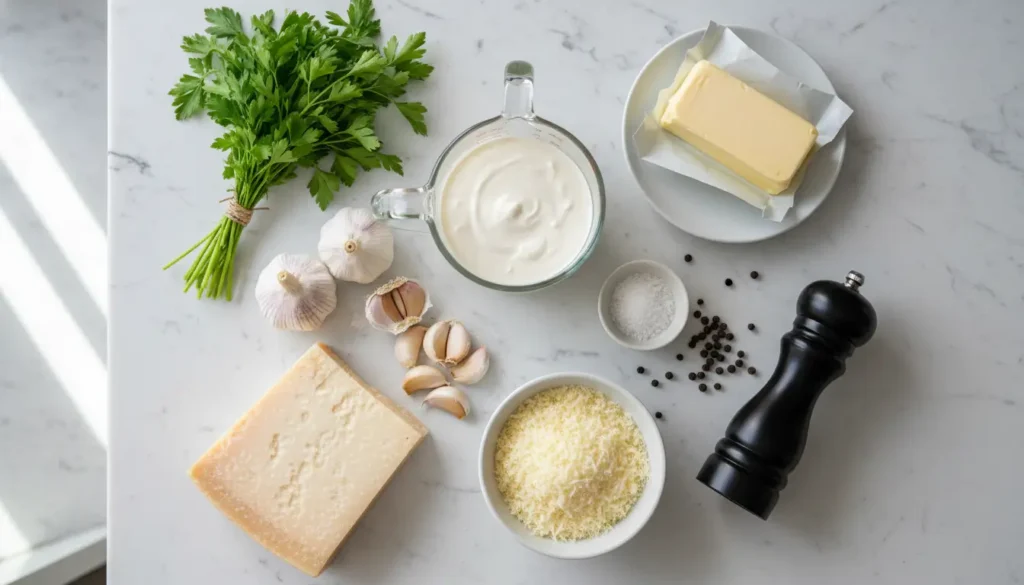
3 tablespoons unsalted butter
4-5 cloves garlic, minced (about 1 tablespoon)
1½ cups heavy cream (or heavy whipping cream)
¾ cup freshly grated Parmesan cheese
½ teaspoon black pepper (freshly ground is best)
¼ teaspoon salt (adjust to taste)
¼ cup pasta cooking water (reserved from boiling pasta)
Optional: 1 tablespoon fresh lemon juice for brightness
Optional: Fresh parsley or basil for garnish
For Serving:
1 pound pasta of choice (fettuccine, penne, linguine, or spaghetti)
Extra Parmesan cheese for topping
Directions
- Cook the pasta. Bring a large pot of salted water to a boil. Cook pasta according to package directions until al dente. Before draining, reserve 1 cup of pasta cooking water. Drain pasta and set aside.
- Sauté the garlic. While pasta cooks, melt butter in a large skillet or saucepan over medium heat. Add minced garlic and sauté for 1-2 minutes until fragrant but not browned. Watch carefully — burnt garlic tastes bitter.
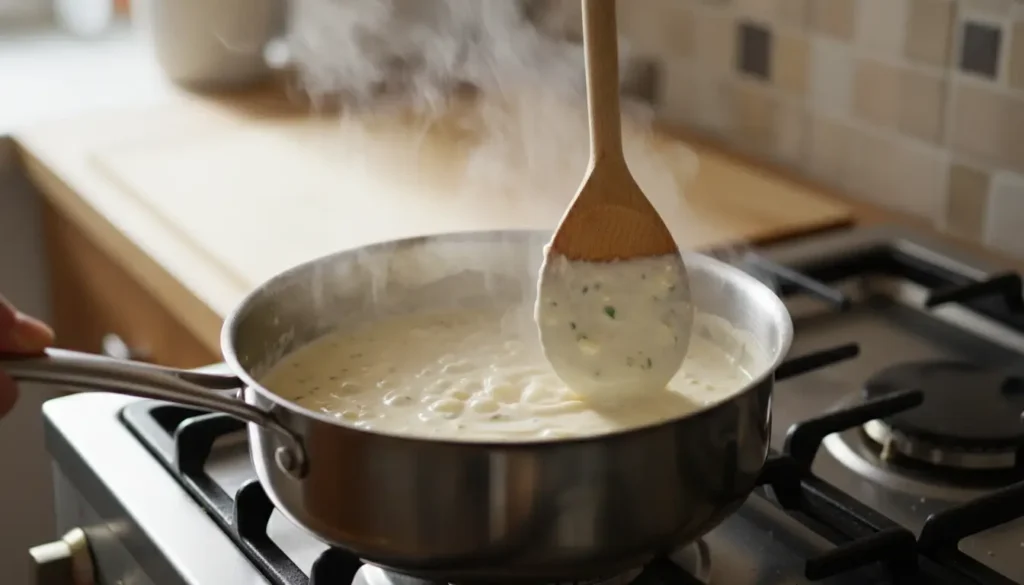
- Add the cream. Pour in heavy cream and bring to a gentle simmer. Reduce heat to medium-low and let it simmer gently for 3-4 minutes, stirring occasionally, until it thickens slightly. The sauce should coat the back of a spoon.
- Add the cheese. Remove from heat and add Parmesan cheese in two batches, stirring constantly until completely melted and smooth between additions. This prevents clumping.
- Season and thin. Stir in black pepper and salt to taste. Add ¼ cup of reserved pasta water and stir until sauce is silky and pourable. Add more pasta water 1-2 tablespoons at a time if sauce seems too thick.
- Combine with pasta. Add cooked pasta directly to the sauce and toss gently over low heat for 1-2 minutes, allowing the pasta to absorb some of the sauce. The starch from the pasta water will help the sauce cling beautifully.
- Finish and serve. If using, stir in lemon juice for brightness. Taste and adjust seasoning. Serve immediately with extra Parmesan cheese, freshly cracked black pepper, and fresh herbs if desired.
Notes
- Use freshly grated Parmesan: Pre-grated cheese contains anti-caking agents that prevent smooth melting. Grate from a block for best results.
- Don’t boil the cream: Gentle simmering prevents the sauce from breaking or becoming grainy.
- Pasta water is essential: The starch helps emulsify the sauce and makes it cling to pasta perfectly.
- Adjust consistency: Sauce thickens as it sits. Add more pasta water to thin if needed.
- Make ahead: Sauce can be refrigerated for 2-3 days. Reheat gently over low heat, adding pasta water or cream to restore consistency.
- Add-ins: Cook proteins or vegetables separately and add them in step 6 when combining with pasta.
Nutrition Information (per serving, sauce only)
- Calories: 220 kcal
- Protein: 6g
- Fat: 21g
- Carbohydrates: 4g
- Fiber: 0g
- Sodium: 320mg
Expert Tips for Perfect White Pasta Sauce
Mastering how to make white pasta sauce recipe means understanding these key techniques.
1. Use Fresh Garlic (Never Jarred)
Fresh garlic has a sweet, pungent flavor that transforms into mellow richness when sautéed. Jarred garlic tastes sharp and artificial by comparison. Mince it finely so it distributes evenly throughout the sauce.
2. Don’t Let the Garlic Brown
Browned or burnt garlic tastes bitter and ruins the sauce. Sauté over medium (not high) heat for just 1-2 minutes until fragrant and barely golden. If it starts browning, immediately add the cream to stop the cooking.
3. Grate Your Own Parmesan
Pre-shredded Parmesan contains cellulose (wood pulp) to prevent clumping, which also prevents smooth melting. Buy a block of Parmigiano-Reggiano or good-quality Parmesan and grate it yourself using a microplane or box grater.
4. Add Cheese Off the Heat
Remove the pan from heat before adding Parmesan to prevent the cheese from breaking and becoming grainy. Stir constantly until completely melted and smooth.
5. Use Pasta Water Strategically
The starchy pasta water is the secret to silky sauce. It helps emulsify the fats and cheese, creating a cohesive sauce that clings to pasta instead of pooling at the bottom of the bowl.
6. Serve Immediately
White pasta sauce is best served fresh and hot. It thickens as it cools, so have everything ready before you start cooking. If reheating, add pasta water or cream to restore the creamy consistency.
Creative Variations and Add-Ins
Once you know how to make white pasta sauce recipe, the possibilities are endless.
Chicken Alfredo Pasta
Add 2 cups cooked, sliced chicken breast to the sauce. Season chicken with Italian herbs before cooking for extra flavor.
Shrimp Scampi Style
Sauté 1 pound peeled shrimp in the butter before adding garlic. Remove shrimp, make the sauce, then return shrimp at the end. Add extra lemon juice and red pepper flakes.
Beef and Mushroom Pasta
Cook 4-6 strips Beef until crispy, crumble, and set aside. Sauté 8 ounces sliced mushrooms in 1 tablespoon of the Beef fat. Add to finished sauce with crumbled bacon.
Spinach and Sun-Dried Tomato
Stir in 2 cups fresh spinach and ½ cup chopped sun-dried tomatoes in the last minute of cooking. The spinach wilts beautifully in the warm sauce.
Cajun-Style Spicy Pasta
Add 1-2 teaspoons Cajun seasoning to the sauce and toss with blackened chicken or shrimp for a spicy kick.
Vegetable Primavera
Add steamed broccoli, bell peppers, zucchini, and cherry tomatoes to the sauce for a veggie-packed version.
Four Cheese White Sauce
Mix in mozzarella, fontina, and Asiago along with the Parmesan for ultra-rich, stretchy cheese sauce.
Perfect Pairings for White Pasta Sauce
This versatile sauce works beautifully with these companions.
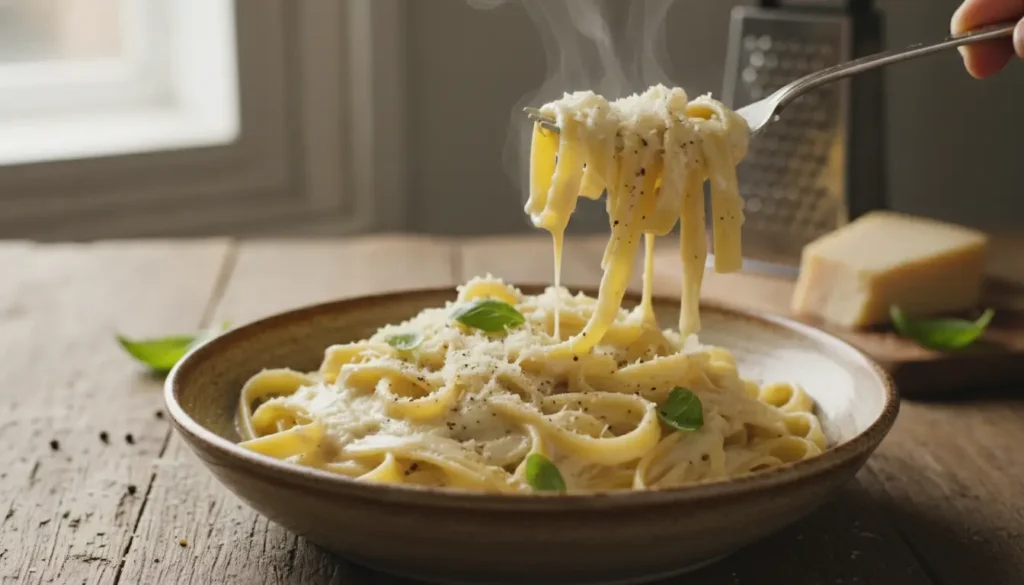
Fettuccine or linguine — Classic flat noodles that catch the sauce perfectly.
Garlic bread — Essential for soaking up every last drop of creamy sauce.
Simple green salad — A crisp salad with lemon vinaigrette balances the richness.
Roasted vegetables — Broccoli, asparagus, or Brussels sprouts add color and nutrition.
Grilled protein — Chicken, shrimp, or salmon turn this into a complete meal.
For more pasta inspiration, pair this sauce with our baked feta pasta with cherry tomatoes for a double-pasta feast, serve alongside our creamy mushroom pasta for variety, or use it in our chicken Alfredo pasta casserole for a baked twist. You can also use this sauce as a base for our cheesy ground beef pasta casserole by swapping the red sauce.
Storage and Reheating Guide
Learning how to make white pasta sauce recipe includes knowing how to store it properly.
Refrigerator Storage
Cool sauce completely, transfer to an airtight container, and refrigerate for up to 3 days. The sauce will thicken significantly in the fridge — this is normal.
To reheat: Place sauce in a saucepan over low heat. Add 2-3 tablespoons of milk, cream, or pasta water while stirring constantly until smooth and heated through. Do not microwave as it can cause the sauce to separate.
Freezer Storage
White pasta sauce can be frozen, though the texture may change slightly. Cool completely, transfer to freezer-safe container or bag, and freeze for up to 2 months.
To thaw: Refrigerate overnight, then reheat gently on stovetop with added liquid (milk or cream) to restore consistency. Whisk vigorously while reheating to re-emulsify.
Make-Ahead Strategy
You can make the sauce up to 2 days ahead and store it separately from pasta. Cook pasta fresh when ready to serve, then reheat sauce and combine. This prevents the pasta from absorbing all the sauce and becoming dry.
Leftover Pasta Storage
Already-sauced pasta can be refrigerated for 2-3 days. Reheat in a skillet with a splash of milk or cream over low heat, stirring frequently.
Frequently Asked Questions
Can I use milk instead of heavy cream?
You can, but the sauce won’t be as rich and creamy. Use whole milk and add 1 tablespoon of flour mixed with 2 tablespoons cold milk (create a slurry) to help thicken it. The flavor and texture will be lighter than cream-based sauce.
Why is my white pasta sauce grainy or separated?
This usually happens if the heat is too high when adding cheese, or if you used pre-grated Parmesan with anti-caking agents. Always remove from heat before adding cheese and use freshly grated Parmesan.
Can I make this sauce dairy-free?
It’s challenging because dairy provides the creaminess, but you can try using coconut cream (full-fat canned) and nutritional yeast instead of Parmesan. The flavor will be different but still creamy.
How do I make the sauce thicker?
Simmer it longer to reduce the liquid, add more Parmesan cheese, or use less pasta water when thinning. You can also add 1 tablespoon of cream cheese for extra thickness and tang.
How do I make the sauce thinner?
Add pasta cooking water 1-2 tablespoons at a time while stirring. The starch in pasta water helps maintain the silky texture better than adding plain water or more cream.
Can I use half-and-half instead of heavy cream?
Yes, but the sauce will be thinner and less rich. To compensate, simmer it a bit longer to reduce and thicken, or add an extra tablespoon of Parmesan.
Why does my sauce taste bland?
White sauce needs proper seasoning. Make sure you’re using enough salt, freshly ground black pepper, and quality Parmesan. The lemon juice also adds brightness that prevents the sauce from tasting flat.
The Science Behind Silky White Pasta Sauce
Understanding how to make white pasta sauce recipe means knowing what makes it work.
Heavy cream provides richness and fat — the high fat content (36-40%) creates a luxurious mouthfeel and helps the sauce coat pasta. When heated, the cream thickens naturally as moisture evaporates.
Butter adds flavor and emulsification — butter contains milk solids that add depth, while its fat helps bind the sauce together into a smooth consistency.
Parmesan cheese thickens and adds umami — as Parmesan melts, its proteins and fats contribute to the sauce’s body while adding savory, nutty flavor. Aged Parmesan has more concentrated flavor than younger cheeses.
Pasta water creates the perfect consistency — the starch released from cooking pasta acts as a natural emulsifier, helping fats and liquids blend smoothly. This is why professional chefs always save pasta water.
Garlic transforms when cooked — raw garlic is sharp and pungent, but when gently sautéed in butter, its sulfur compounds break down into sweet, mellow flavors that perfume the entire sauce.
Low heat prevents breaking — high heat can cause the proteins in cream and cheese to separate, creating a grainy or curdled texture. Gentle heat keeps everything smooth and silky.
This combination of technique and quality ingredients creates restaurant-worthy white pasta sauce in your own kitchen.
Why Homemade Beats Jarred Every Time
Once you learn how to make white pasta sauce recipe from scratch, you’ll never go back to store-bought.
Jarred Alfredo sauce is loaded with preservatives, stabilizers, and artificial thickeners like xanthan gum or modified food starch. The flavor is flat, the texture is gloppy, and it tastes nothing like authentic cream sauce.
Homemade white pasta sauce takes 15 minutes, costs less than most jarred versions, and tastes exponentially better. You control the garlic level, the cheese quality, and the consistency. No weird aftertaste, no artificial ingredients, no compromises.
Plus, making it fresh means you can customize it endlessly — add proteins, vegetables, different cheeses, or spices based on what you’re craving or what’s in your fridge.
This how to make white pasta sauce recipe proves that the best Italian cooking is simple, fast, and made with real ingredients. Why settle for less?
Made this sauce? Rate it below and tell me how you customized it! I love hearing about your pasta creations.