


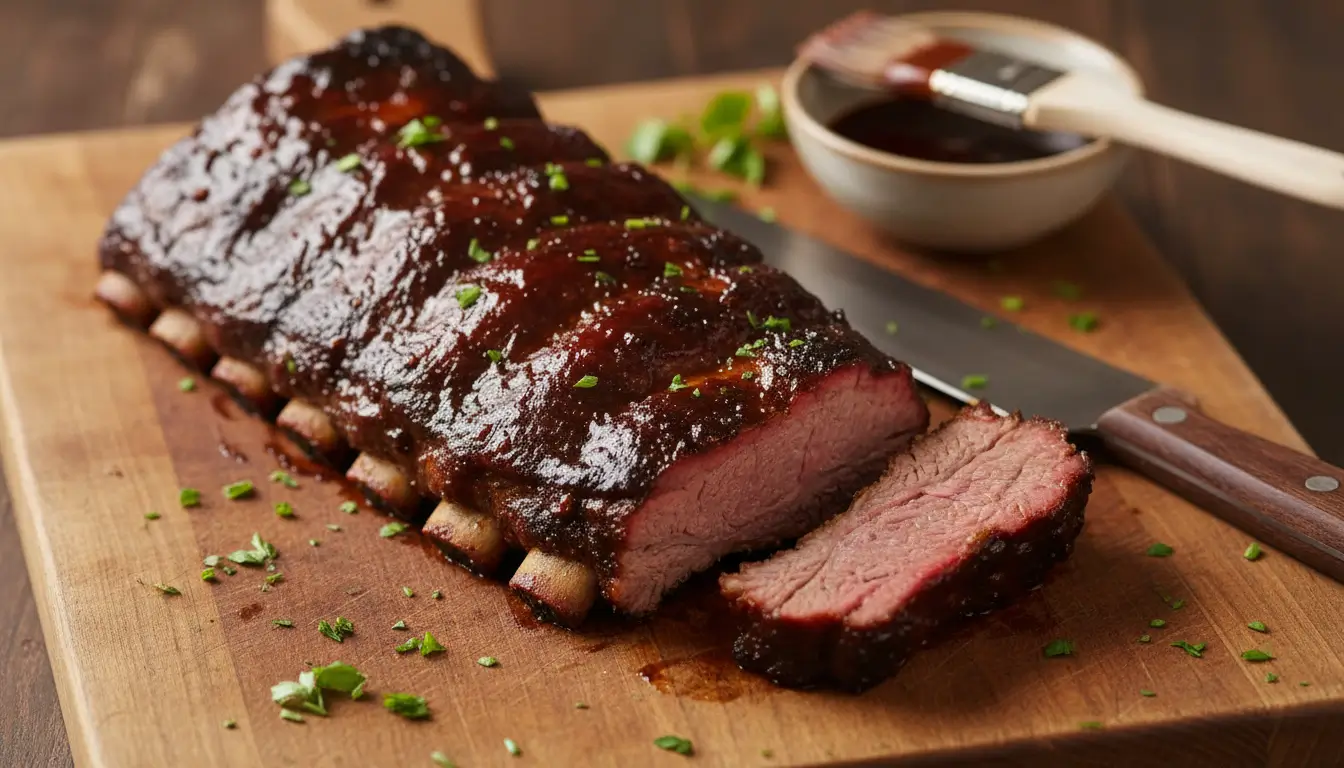
If you’ve ever thought great ribs require a smoker and 12 hours of patience, this how to bake spare ribs recipe in the oven is about to change your life.
We’re talking about succulent, sticky, melt-in-your-mouth ribs that are so tender the meat practically falls off the bone when you look at it. The secret? A simple low-and-slow baking method that turns tough cuts into restaurant-quality BBQ, right in your home kitchen.
No charcoal, no propane, no weather worries. Just your oven, a baking sheet, and a killer dry rub.
Spare ribs are meatier and richer than baby back ribs, making them the ultimate choice for meat lovers. But because they have more connective tissue, they need gentle, consistent heat to break down into that buttery texture we all crave. Baking them sealed in foil locks in moisture, effectively steaming the meat in its own juices before finishing with a caramelized BBQ glaze.
Whether you’re hosting a game day party, planning a weekend feast, or just craving comfort food on a Tuesday, this foolproof method delivers perfect results every single time.
Ready to make the best ribs of your life without stepping outside? Let’s get baking.
Table of Contents
Why This Oven-Baked Ribs Method Works
This isn’t just a recipe; it’s a technique that guarantees success.
Foolproof tenderness. The “low and slow” foil-wrapped baking method guarantees juicy, tender meat every time.
No special equipment. You don’t need a smoker or grill — just a baking sheet and aluminum foil.
Hands-off cooking. Once they’re in the oven, you can walk away for hours while they cook.
Rich, deep flavor. The dry rub infuses the meat while the final broil creates that sticky, caramelized BBQ crust.
Year-round BBQ. Enjoy summer flavors in the middle of winter without braving the cold.
Budget-friendly. Spare ribs are often cheaper than baby back ribs and feed a crowd easily.
This how to bake spare ribs recipe in the oven removes all the guesswork, giving you pitmaster results with minimal effort.
Spare Ribs vs. Baby Back Ribs: What’s the Difference?
Before you head to the butcher, it’s important to know what you’re buying.
Spare Ribs (St. Louis Style): These come from the belly area of the pig (where beef bacon comes from). They are larger, meatier, flatter, and contain more fat and connective tissue. This extra fat means more flavor, but they require longer cooking time to become tender.
Baby Back Ribs: These come from the upper loin area (where beef chops come from). They are smaller, leaner, curved, and cook faster than spare ribs.
Country Style Ribs: These aren’t actually ribs but cut from the shoulder blade. They are meaty and boneless (usually) and require different cooking methods.
This recipe is specifically designed for spare ribs, cooking them long enough to render that rich fat and break down tough collagen. If you use baby back ribs with this recipe, reduce the baking time by about 30-45 minutes.
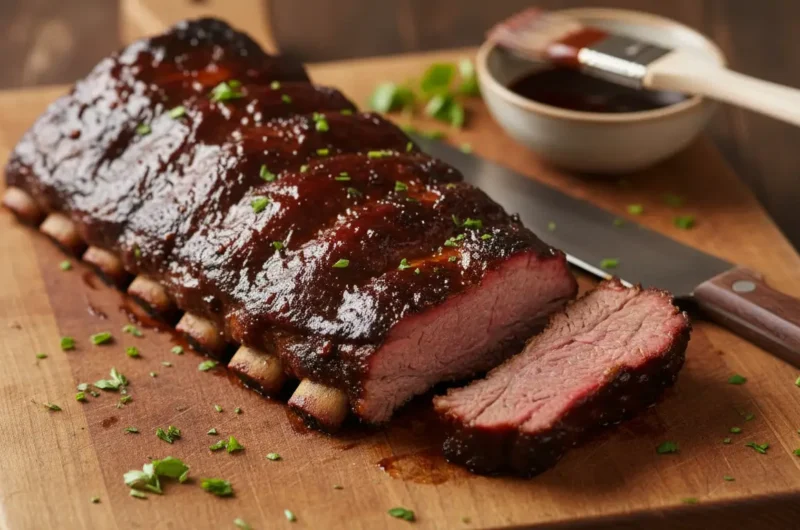
How to Bake Spare Ribs Recipe in the Oven – Fall-Off-The-Bone Tender
Course: DinnerCuisine: American, BBQDifficulty: Easy4
servings20
minutes3
hours580
kcal3
hours20
minutesThis easy how to bake spare ribs recipe in the oven yields sticky, tender, competition-worthy ribs using a simple dry rub and your favorite BBQ sauce.
Ingredients
For the Ribs:
1 rack beef spare ribs (St. Louis style preferred), about 3-4 pounds
2 tablespoons yellow mustard (acts as a binder, you won’t taste it)
1 cup of your favorite BBQ sauce
For the Dry Rub:
¼ cup brown sugar, packed
1 tablespoon smoked paprika
1 tablespoon garlic powder
1 tablespoon onion powder
1 teaspoon salt (kosher or sea salt)
1 teaspoon black pepper
1 teaspoon chili powder
½ teaspoon ground cumin
Optional: ½ teaspoon cayenne pepper for heat
Directions
- Preheat and prep. Preheat your oven to 300°F (150°C). Line a large rimmed baking sheet with aluminum foil for easy cleanup.
- Remove the membrane. This is crucial for tender ribs. Flip the rack over to the bone side. Locate the thin, shiny white membrane (silverskin) covering the bones. Slide a butter knife under the membrane to loosen it, grab it with a paper towel for grip, and peel it off in one sheet. Discard.
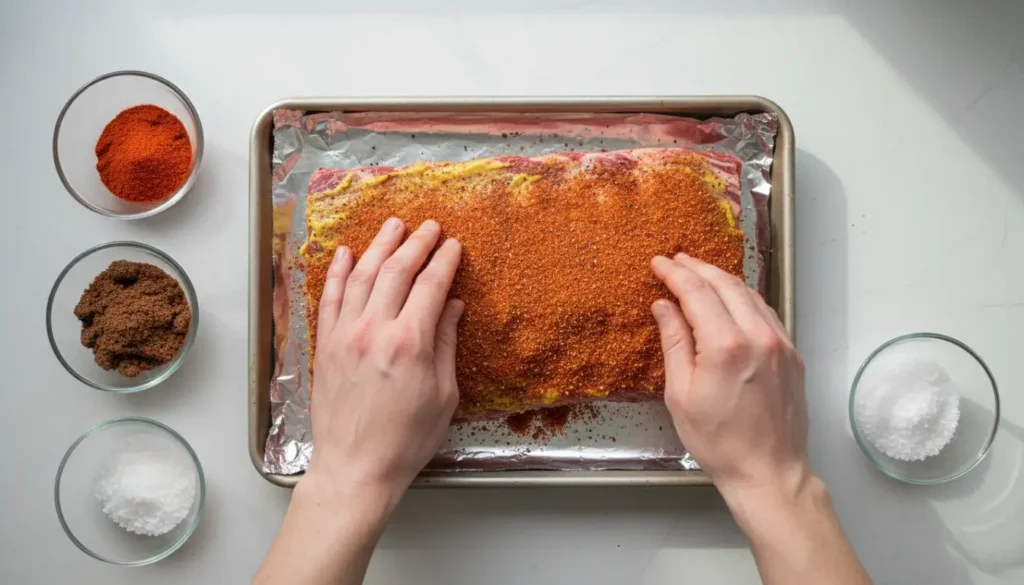
- Apply the binder. Pat the ribs dry with paper towels. Brush both sides of the rack with yellow mustard. This helps the seasoning stick and tenderizes the meat (vinegar effect), but the mustard flavor cooks away completely.
- Season generously. In a small bowl, mix all dry rub ingredients. Sprinkle the rub liberally over both sides of the ribs, pressing it into the meat with your hands. Don’t be shy — flavor is key!
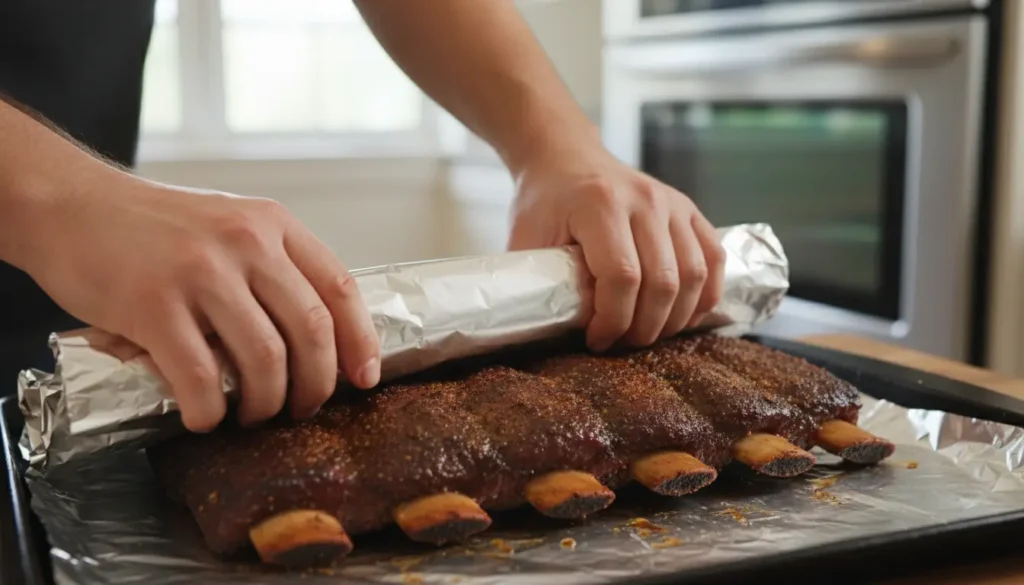
- Wrap and bake. Place the ribs meat-side down on two large sheets of aluminum foil. Wrap them tightly, creating a sealed packet so juices don’t escape. Place the foil packet on your prepared baking sheet.
- Slow bake. Bake in the center of the oven for 2.5 to 3 hours. At the 2.5-hour mark, check for doneness. The meat should pull away from the ends of the bones by about ½ inch and feel tender when probed with a fork.
- Sauce and broil. Remove ribs from the oven and carefully open the foil (watch out for hot steam!). Discard the juices and foil. Place ribs back on the baking sheet (meat-side up). Brush generously with BBQ sauce.
- Caramelize. Set your oven to broil (high). Broil the ribs for 3-5 minutes until the sauce is bubbly and slightly charred. Watch closely so they don’t burn!
- Rest and serve. Let the ribs rest for 10 minutes before slicing. This allows the juices to redistribute. Slice between the bones and serve hot with extra sauce.
Recipe Video
Notes
- Make ahead: You can season the ribs and leave them in the fridge overnight before baking for deeper flavor penetration.
- Low temperature is key: 300°F is the sweet spot. Higher temperatures will dry out the meat before it becomes tender.
- Check doneness: Ribs are done when they are flexible. If you pick up the rack with tongs in the middle, it should bend significantly and the meat should start to crack on top.
- Storage: Leftovers keep well in the fridge for 3-4 days. Reheat wrapped in foil in a 300°F oven to keep them moist.
- Serving size: Calculate about ½ rack per person for hungry adults.
Nutrition Information (per serving)
- Calories: 580 kcal
- Protein: 42g
- Fat: 36g
- Carbohydrates: 22g
- Sugar: 18g
- Sodium: 890mg
Expert Tips for Restaurant-Quality Ribs
Mastering how to bake spare ribs recipe in the oven comes down to a few pro secrets.
1. Don’t Skip Membrane Removal
Leaving the silverskin on is the rookie mistake that results in tough, chewy ribs. The membrane doesn’t break down during cooking and blocks seasoning from penetrating the meat. Take the 2 minutes to peel it off.
2. The Mustard Trick
Pitmasters use mustard as a “slather” or binder. It creates a sticky surface for the dry rub to adhere to and adds acidity that helps tenderize. Don’t worry if you hate mustard — the flavor completely disappears after 3 hours of cooking.
3. Wrap Tightly
The “Texas Crutch” method (wrapping ribs in foil) steams the meat in its own juices, The “Texas Crutch” method (wrapping ribs in foil) steams the meat in its own juices, accelerating the breakdown of collagen. Ensure your foil seal is tight so steam doesn’t escape. This is what guarantees that fall-off-the-bone texture. To understand the science and history behind this competition BBQ technique, AmazingRibs.com provides a fascinating deep dive into the Texas Crutch method and why it works.
4. Let Them Rest
Just like a steak, ribs need to rest. If you cut into them immediately out of the oven, flavorful juices will run out onto the cutting board instead of staying in the meat. Give them 10 minutes to settle.
5. Broil with Caution
The sugar in BBQ sauce burns quickly. When broiling, stay right by the oven door. You want bubbling, caramelized sauce, not black charcoal. It usually takes just 3-4 minutes.
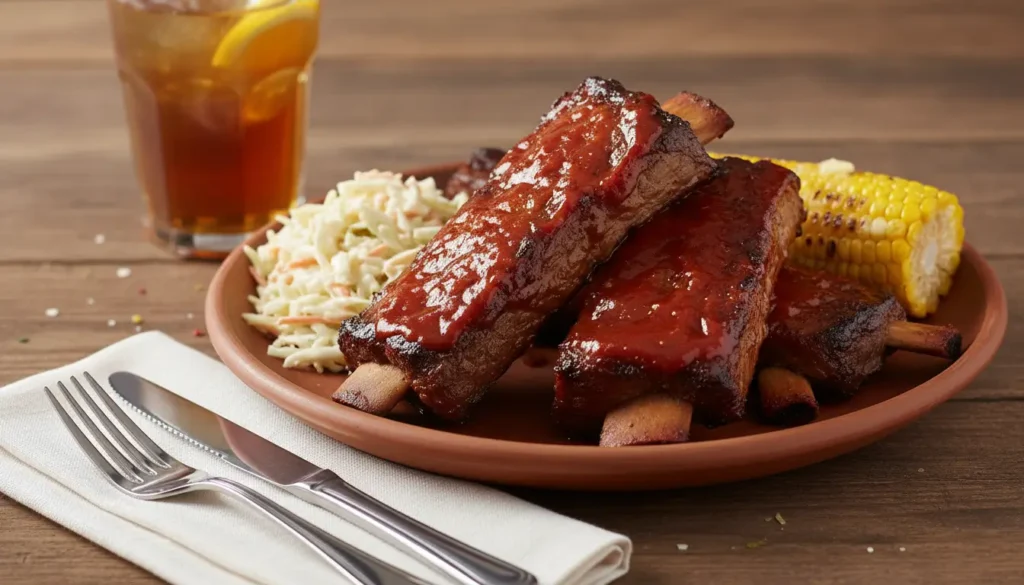
Perfect Pairings for BBQ Ribs
You’ve made the main event — now here’s what to serve alongside.
Coleslaw — The cool, creamy crunch cuts through the richness of the beef.
Cornbread — Sweet, crumbly cornbread is non-negotiable with BBQ.
Baked Beans — Savory, sweet beans complement the smoky ribs perfectly.
Macaroni and Cheese — Creamy, cheesy comfort food that pairs with everything.
Corn on the Cob — Grilled or boiled, it’s a classic summer side.
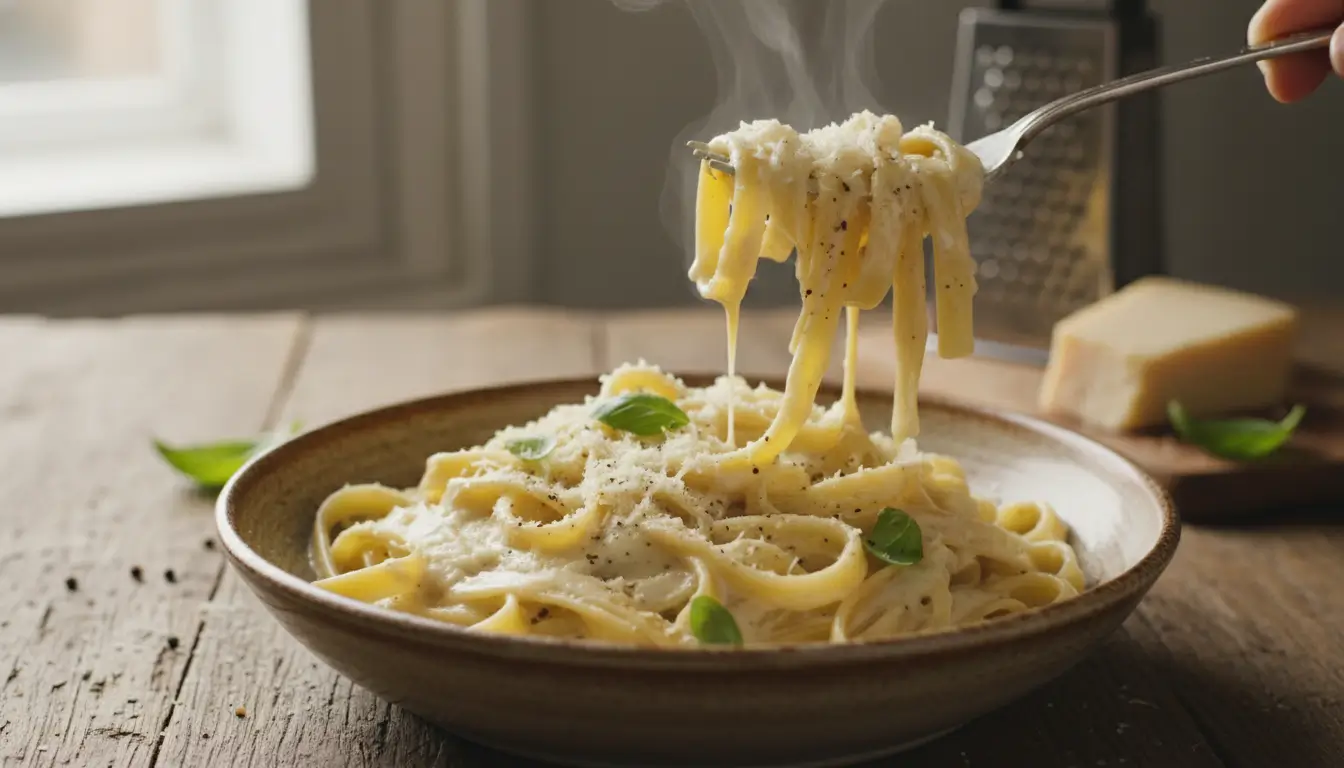
For a complete feast, start with our gorditas recipe as a unique appetizer, serve these ribs with our tater tot casserole recipe for a potato side dish alternative, or pair with our creamy white pasta sauce recipe over mac and cheese for an indulgent side.
Frequently Asked Questions
Can I use this recipe for baby back ribs?
Yes! Baby back ribs are smaller and leaner, so they cook faster. Follow the same steps but reduce the baking time to 2 hours. Check them; if tender, move to the broiling step.
Do I have to use foil?
Foil is highly recommended for the “fall-off-the-bone” texture. If you bake them uncovered the whole time, they will be drier and take longer (4+ hours). If you don’t like aluminum touching your food, wrap in parchment paper first, then foil.
Why are my ribs tough?
Tough ribs usually mean they weren’t cooked long enough. Connective tissue needs time to break down. If they are tough, wrap them back up and bake for another 30-45 minutes.
Can I cook them at a different temperature?
You can bake at 275°F for 3.5-4 hours for even slower cooking, or 350°F for 2 hours if you’re rushing (though they won’t be quite as tender). 300°F is the ideal balance of speed and tenderness.
How do I store and reheat leftovers?
Store in an airtight container for up to 4 days. To reheat, wrap ribs in foil with a splash of apple juice or water and heat in a 250°F oven for 20-30 minutes. This steams them back to juicy perfection. Microwaving tends to make beef tough.
The Science Behind “Fall-Off-The-Bone” Ribs
Understanding the “why” helps you master the “how.”
Collagen breakdown — Spare ribs are full of connective tissue called collagen. Collagen is tough when raw, but when heated between 160°F and 180°F over time, it melts into gelatin. This gelatin coats the muscle fibers, giving slow-cooked meat its silky, moist, succulent texture.
Moisture retention — Wrapping the ribs in foil creates a sealed, humid environment. This prevents evaporation, meaning the ribs braise in their own rendered fat and juices rather than drying out in the oven’s dry heat.
Caramelization — The final broiling step triggers the Maillard reaction (browning) and caramelizes the sugars in the BBQ sauce. This adds complex flavor notes and that desirable sticky texture that contrasts with the tender meat inside.
Acidity tenderization — The vinegar in the mustard and the acidity in the dry rub (if using brown sugar/paprika) help denature surface proteins, allowing seasonings to penetrate deeper.
By combining low heat, moisture, and time, you transform a tough cut of meat into a culinary masterpiece.
Bring the BBQ Indoors Tonight
Now you know how to bake spare ribs recipe in the oven that rivals your favorite smokehouse.
There’s no need to wait for summer or invest in expensive outdoor equipment. With this simple method, you can achieve sticky, savory, tender ribs any night of the week. The aroma filling your kitchen will be enough to gather the whole family before the timer even goes off.
So grab a rack of spare ribs, mix up that dry rub, and get ready to impress. Just make sure to have plenty of napkins on hand — things are about to get deliciously messy.
Made these ribs? Rate the recipe below and let me know your favorite BBQ sauce to use! I love hearing your results.